

Correcting a Past FAA Medical Application: Why Pilots Nationwide Turn to Ison Law Firm
The Ison Law Firm is based in Florida and represents pilots nationwide.
If you answered a question wrong on a past FAA Form 8500-8, you can still correct it, and how you do it matters. Pilots across the United States leave things off their MedXPress applications for many reasons: an old counseling visit, a prescription they thought didn’t count, a reduced DUI arrest, or a sleep apnea diagnosis they didn’t know how to report. Ison Law Firm helps pilots amend Form 8500-8 records, wherever they live. The FAA’s medical certification rules are the same in every state, so you can work with our firm no matter where you are based or where you fly.
Reach out to the Ison Law Firm today for dedicated support. Give us a call at 855-598-7338 or contact us online to take the first step.
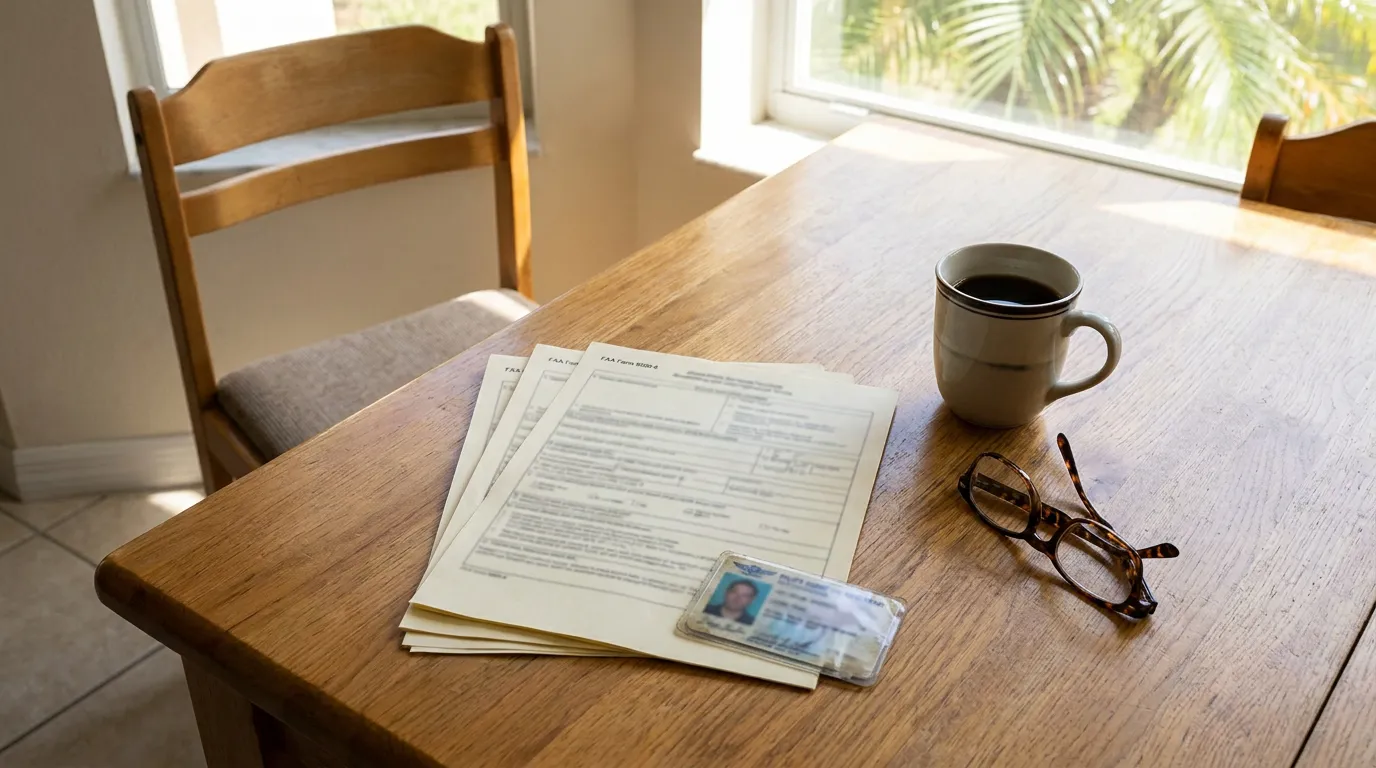
What Is at Stake When a Form 8500-8 Answer Is Wrong
A wrong or incomplete answer on Form 8500-8 can carry serious consequences, though the outcome depends heavily on the facts. As of November 3, 2025, the FAA consolidated its falsification regulations into Part 3, Subpart D, removing and reserving 14 C.F.R. § 67.403. Under 14 C.F.R. § 3.403(a), no person may make or cause to be made a fraudulent or intentionally false statement in any application, certificate, record, or similar document covered by Part 3, Subpart D, including a medical certificate application. Under § 3.403(d), such a violation is a basis for denying, suspending, modifying, revoking, rescinding, removing, or withdrawing any acceptance, application, approval, authorization, certificate, or rating issued by the Administrator and held by that person, or for a civil penalty. In serious cases, a knowingly and willfully false statement to a federal agency may also create criminal exposure under 18 U.S.C. § 1001. Even an unintentional omission can lead the FAA to question whether the pilot is medically qualified.
To prove intentional falsification, the FAA generally has to show more than a simple error. Under NTSB precedent, the FAA usually has to show that the statement was false, that it was material, and that the applicant knew it was false when making it. That is why the timing and framing of an amendment matter. A pilot who corrects the record before the FAA finds the problem is often in a very different position from one whose omission turns up in a records check or a National Driver Register match. Voluntary correction does not guarantee immunity, but it can help show there was no intent to deceive.
The FAA publishes its internal guidance on airman medical certification in its orders and notices. Pilots and their counsel can look up the FAA medical certification orders to see the procedural framework the agency uses. This guidance is not binding law, but it shows how FAA staff handle applications, deferrals, and corrections.
💡 Pro Tip: Don’t file a new MedXPress application or call the FAA to "explain" an old answer until you have gathered your medical records. A partial or improvised correction can create a second inconsistency on the record.
Real Conditions That Commonly Prompt an Amendment
Most amendments we see involve a short list of conditions that are disqualifying under FAA standards or call for further FAA review. The questions on Form 8500-8 are broad, and many pilots read them too narrowly. Common examples include:
- Mental health treatment: depression, anxiety, PTSD, or counseling, especially when an SSRI or other antidepressant was prescribed.
- ADHD and stimulant medication: a childhood diagnosis or Adderall use that was never reported.
- Substance-related history: DUI arrests or convictions, marijuana use, or a substance dependence evaluation. Under 14 C.F.R. § 61.15(e), a pilot generally must report each motor vehicle action to the FAA Security and Investigations Division within 60 days. This report is separate from the medical application.
- Neurological and cardiac events: a seizure, an unexplained loss of consciousness, a traumatic brain injury, or a heart attack or stent placement.
- Metabolic and sleep conditions: insulin-treated diabetes or diagnosed obstructive sleep apnea.
Sleep apnea shows how a seemingly routine condition can become a certification problem. Industry coverage of special issuance for sleep apnea explains that diagnosed pilots must disclose the condition on MedXPress and generally go through the FAA’s special issuance process. Some pilots whose treatment is documented as effective may qualify for AME-issued certification under FAA guidance. Pilots who leave off a diagnosis like this often run into trouble later, when they renew or when CPAP compliance data shows up in their records.
How Undisclosed Therapy Visits on Your FAA Medical Can Be Corrected
Undisclosed therapy visits are among the most common reasons pilots look into amending their FAA medical applications. Form 8500-8 asks about visits to health professionals within the past three years and about any history of mental health conditions. A pilot who saw a counselor for situational stress, or took an antidepressant for a few months, may not have realized those visits needed to be reported. Our article on amending for undisclosed depression covers this situation in more detail.
The Two-Stage Process for Depression and Anxiety
For depression, anxiety, or antidepressant use, the FAA, not your AME, generally makes the first Special Issuance decision. In most cases, the AME must defer the initial application to the Aerospace Medical Certification Division (AMCD) or the Regional Flight Surgeon. Some resolved, situational conditions that meet narrow FAA criteria may not require a Special Issuance. Only after the FAA grants the first Special Issuance can later renewals be handled by the AME under the AASI PATH program, and only if the FAA’s authorization letter allows it and the pilot meets every requirement. AASI PATH is a monitoring pathway, not an automatic approval. The underlying standards appear in 14 C.F.R. §§ 67.107, 67.207, and 67.307.
Documentation Requirements That Trip Pilots Up
Under the AASI PATH guidance, pilots generally must keep a consistent record of medical documentation. That includes Detailed Clinical Progress Notes from the primary MD or DO at least once a year, and progress notes from the treating physician, PA, or NP every six months. The most recent note generally must be dated within 90 days of the AME exam. Notes should cover medications and dosages, medication changes, exam findings, test results, diagnosis, prognosis, and the follow-up plan. The pilot also needs a completed PATH Status Summary signed by both the treating physician and the AME. Your FAA authorization letter controls.
Certain red flags send a renewal back to the FAA instead of letting the AME issue the certificate. These include new "Yes" answers on the PATH Status Summary, new psychiatric symptoms or diagnoses, a new substance use history, symptoms that worsen despite changes in medication or therapy, or concern expressed by the AME or treating physician. If any of these apply, get legal guidance before the deferral becomes a denial.
💡 Pro Tip: Ask your treating provider to write notes that address aviation-relevant points, such as stability, side effects, and functional status. Vague notes are a frequent cause of FAA requests for more information.
What Pilot Credentials and Panel Memberships Mean for Your Amendment
Our firm’s credentials matter because amending a Form 8500-8 calls for both legal judgment and familiarity with the FAA’s medical system. Anthony G. Ison, known as "The Pilot Lawyer," has been a licensed airman since he was 17. He is an AOPA Legal Services Panel Attorney and a member of the Lawyer-Pilots Bar Association. He is also licensed in both Florida and Kentucky.
Christopher S. Ison brings a different perspective on amendment matters. He has been a licensed airman since 2014, and his background as a prosecutor helps him understand how reportable criminal offenses can affect certification. His personal injury and medical malpractice experience gives him insight into erroneous diagnoses and physician disputes. Our firm also works with an in-house medical consultant, Alexander S. Ison, who has spent the past eight years in private practice.
💡 Pro Tip: If you are worried about a falsification allegation, listen to our podcast episode "Fighting the FAA on an Intentional Falsification Charge" before your confidential case review.
Why You Should Choose Ison Law Firm
Ison Law Firm focuses its practice on airman medical certification, so amendments are part of our core work, not a side service. The firm has represented airmen with a wide range of medical certification issues before both the FAA and the NTSB. We are pilots representing pilots, with decades of combined experience in aviation and representing airmen.
Our approach rests on four values: tenacity, respect, dedication, and faith. We offer confidential case reviews, and we treat every client, opponent, and tribunal with respect. We are upfront about our limits: we cannot speed up FAA processing, and no attorney can promise how a case will turn out. Public coverage of FAA medical process delays shows that timelines can be uncertain. What we can do is build a complete, accurate amendment with strong aeromedical support. You can learn more on our Form 8500-8 amendment page.
💡 Pro Tip: No formal FAA "amnesty" program for past nondisclosures is in place right now, so don’t wait for one.
Frequently Asked Questions
Common Questions About FAA Form 8500-8 Amendments in the United States
1. Can I amend my Form 8500-8 if I live outside Florida?
Yes. FAA medical certification is governed by federal regulations, so you can work with our firm regardless of your location.
2. Will amending my application protect me from enforcement?
Not necessarily. A voluntary amendment does not guarantee immunity from action under 14 C.F.R. § 3.403(d) or from medical certification consequences. Still, depending on the facts, correcting the record before the FAA finds the issue may help show there was no intent to falsify.
3. Does my AME approve my first depression or anxiety Special Issuance?
No. In most cases, the AME must defer the initial application to the FAA. Renewals may later be handled by the AME under AASI PATH if the FAA authorizes it and all requirements are met.
4. Do I need to report a DUI separately from my medical application?
In many cases, yes. Under 14 C.F.R. § 61.15(e), motor vehicle actions generally must be reported to the FAA Security and Investigations Division within 60 days. The medical application asks its own questions about them. Missing either report can create problems.
5. Does Ison Law Firm offer free consultations?
No. The firm does not offer free consultations. It does offer confidential case reviews so pilots can discuss their situation privately.
Correcting the Record With Experienced Pilot Advocates
Amending a Form 8500-8 is often the most responsible step a pilot can take, but it must be done carefully. Whether your concern is undisclosed therapy, an antidepressant, ADHD medication, a DUI, sleep apnea, or a cardiac or neurological event, accurate records and a clear explanation matter. Ison Law Firm brings pilot experience and a focused medical certification practice to every amendment, for airmen anywhere in the country.
Reach out to the Ison Law Firm today to discuss your amendment confidentially. Call us at (855) 598-7338 or schedule your case review online.
Disclaimer: This content is for informational purposes only and is not legal advice. Every case is unique, and results may vary. Consult an attorney about your specific circumstances.