

Can You Still Get an FAA Medical After a Military Flying DQ?
Key Takeaways: Yes. A military medical disqualification does not automatically bar you from an FAA medical certificate, because the military and the FAA judge fitness by different standards. Your chances depend mostly on the condition behind the DQ. The FAA may find it acceptable, may require a Special Issuance or AASI, or may still find it disqualifying under 14 C.F.R. Part 67. FAA Form 8500-8 asks directly about military medical discharges and rejections in Items 18.r and 18.s, and also covers the underlying condition and visits to health professionals, including flight surgeons. Federal agencies can share records, so make sure your answers are accurate and backed by documents. Before you submit MedXPress, gather your service treatment records, flight surgeon notes, DQ and MEB paperwork, and current evaluations. Having a lawyer review your history first can help you avoid falsification concerns and needless delays.
Yes. A military medical disqualification does not by itself bar you from an FAA medical certificate. The military and the FAA judge fitness by different standards. Your FAA Form 8500-8, however, must accurately cover the disqualification, the condition behind it, and any treatment. Mistakes on that form often cause more trouble than the condition itself. Under 14 C.F.R. §67.403, an intentionally false or fraudulent statement can lead to suspension or revocation of all your airman and medical certificates. It can also expose you to criminal liability under 18 U.S.C. §1001.
Reach out to the Ison Law Firm today. Call us at 855-598-7338 or contact us online to get started.
The Ison Law Firm is based in Florida and represents pilots nationwide.
This post is for four groups of pilots: those rejected at an entry or commissioning flight physical, such as at MEPS; those who washed out of military pilot training for medical reasons; rated aviators permanently grounded or denied an aeromedical waiver who are moving to civilian or airline flying; and Guard, Reserve, or active-duty aviators who already hold an FAA medical and were disqualified on the military side.
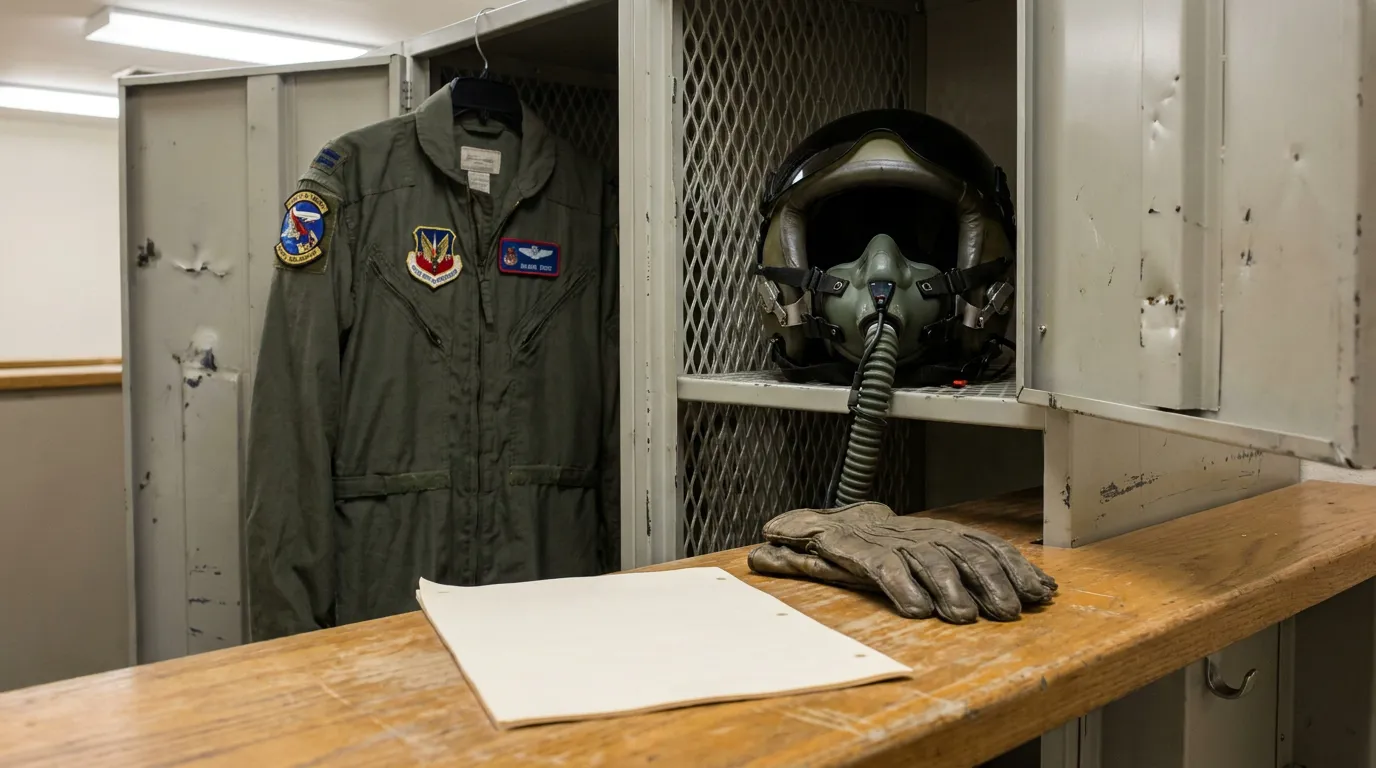
Why a Military DQ and an FAA Decision Are Not the Same Thing
Military and FAA medical standards answer different questions. Military standards look at mission demands, deployability, and long-career service. The FAA asks a narrower question under 14 C.F.R. Part 67: can you safely use the privileges of the medical class you are applying for? A "DQ" is the military’s finding that you do not meet its standard, which does not answer the FAA’s question.
The Defense Health Agency publishes the medical standards military boards use. You can see how it groups conditions in the DoD medical standards manual. These standards are often stricter than the FAA’s, so a condition that grounds you in the military may be acceptable to the FAA, may need a Special Issuance, or may still be disqualifying under Part 67.
How Common Conditions Tend to Play Out
What happens with the FAA depends mostly on the condition behind the DQ. Below are general patterns, not predictions for any one pilot:
- Cardiac events or heart disease: Part 67 lists several heart conditions as disqualifying, including myocardial infarction, angina, treated or symptomatic coronary heart disease, heart valve replacement, and permanent pacemaker implantation. A Special Issuance may be possible with cardiology workups, stress testing, and records showing you are stable.
- Loss of consciousness, seizures, or epilepsy: Part 67 lists epilepsy and unexplained loss of consciousness as disqualifying. The FAA usually wants a full neurological evaluation.
- Traumatic brain injury: A TBI from training or combat often leads the FAA to ask for neuropsychological testing and imaging.
- Insulin-treated diabetes: This is disqualifying under Part 67, but some pilots may qualify under FAA special issuance protocols.
- Mental health (depression, anxiety, PTSD, ADHD, bipolar disorder): These often call for psychiatric or psychological evaluations. Part 67 lists bipolar disorder as disqualifying, and the FAA looks closely at ADHD medication history.
- Substance-related history or DUIs: These can bring separate reporting duties. For example, 14 C.F.R. §61.15(e) generally requires you to report a motor vehicle action to the FAA’s Security and Investigations Division within 60 days.
For depression or anxiety, the FAA uses a two-stage process. The AME (Aviation Medical Examiner) generally must defer the first Special Issuance application to the FAA. Later, the AME may handle renewals under the AASI PATH program if you meet its requirements and the FAA’s authorization letter allows it.
PATH is a monitoring program, and approval is not automatic. Depending on your authorization letter, you may need to keep up:
- Detailed Clinical Progress Notes from your MD or DO at least once a year
- Progress notes from your treating physician, PA, or NP every six months
- A most recent note dated within 90 days of your AME exam
- A PATH Status Summary signed by both your treating physician and the AME
Certain events can send a PATH renewal back to the FAA, such as a new "Yes" answer on the status summary, new psychiatric symptoms or diagnoses, new substance use, or worsening symptoms despite treatment changes. Any of these is a good time to speak with a lawyer.
What FAA Form 8500-8 Asks About Military Medical History
Several items on the application can reach military medical history. Item 18.r asks about a military medical discharge. Item 18.s asks about a medical rejection by military service. AME guidance tells examiners to ask for details of a military rejection and to help applicants get the related military documents.
The underlying condition has its own Item 18 entry. A cardiac DQ, a mental health diagnosis, or a neurological event may each fall under a separate question. Item 18.y asks whether you have ever received medical disability benefits, which can include VA disability. Item 19 asks about visits to health professionals in the last three years, and visits to a flight surgeon generally count.
[ATTORNEY REVIEW REQUIRED]
The Gray Area: Grounded but Not Discharged
Some pilots lose flight status but are never discharged or formally rejected. A pilot who is still serving after being grounded may not fit neatly into "discharge" or "rejection." Even so, you may still have to report the underlying condition and the flight surgeon visits under other items. The right answer depends on the facts, including the paperwork, the type of board action, and the timing. This post does not tell you how to answer any MedXPress question, so get advice from someone who has reviewed your records before you submit.
Can the FAA See Your Medical Records From the Military?
In general, federal agencies can and do share records with each other. One public example is the FAA’s cross-check of former military pilots’ VA disability benefits against their medical applications. Our post on reconciling VA disability benefits covers that issue in more detail.
In practice, assume the FAA may compare your file against other records. Pilots often get into the most trouble when the FAA learns about military medical history left off their applications. Accurate answers, backed by documents, can help protect your certificate and your credibility. By signing Form 8500-8, you also authorize a National Driver Register search.
Already Holding an FAA Medical?
Pilots who already hold a certificate may face added issues. If past applications do not match your military records, you may need to correct the record. Inaccurate answers can lead to falsification allegations, which can affect your pilot certificates as well as your medical. Separately, 14 C.F.R. §61.53 bars you from acting as a required crewmember while you know or have reason to know of a medical condition that would keep you from meeting your medical certificate requirements. If the FAA writes that it is "unable to establish" your eligibility or asks for more records, respond carefully and by the deadline in the letter.
Records to Gather Before Your AME Exam
Get your military medical records ready before you schedule anything. The FAA decides from the file, and an incomplete file can lead to records requests and delays that may take months to resolve. Gather:
| Record | Why It Matters |
|---|---|
| Service treatment records | Shows the full medical history the FAA may ask about |
| Flight surgeon notes | Documents the findings behind the grounding |
| Waiver and DQ paperwork | Shows exactly what was disqualifying and why |
| Medical Evaluation Board (MEB) documents | An MEB is the formal board that reviews fitness for continued service |
| Specialist reports | Cardiology, neurology, or psychiatric workups |
| DD-214 (if separated) | Confirms how and why you separated |
Current evaluations often matter as much as old records. A military record may show your condition at its worst. An up-to-date report from a treating physician can show where you stand today, which is the question the FAA has to answer.
💡 Pro Tip: Read your military records yourself before anyone else does. Diagnoses sometimes appear in notes that no provider ever discussed with you, and you want to know about them before the FAA does.
Realistic Outcomes After a Military DQ
There are four common outcomes, and none is guaranteed. The AME may issue the certificate in the office if the condition has resolved or falls within AME-issuable guidance and the records support it. Or the AME may defer the application to the FAA’s Aerospace Medical Certification Division, which is common for former military aviators with cardiac, neurological, or psychiatric history.
The FAA may grant a Special Issuance or an AASI. These are discretionary authorizations under 14 C.F.R. §67.401, often time-limited and conditioned on regular follow-up reports. The FAA may also deny the application. If it does, you can generally ask the FAA to reconsider. After a final denial, you may petition the National Transportation Safety Board for review under 49 U.S.C. §44703, usually within 60 days. However, the NTSB cannot review the FAA’s discretionary decision to grant, deny, or withdraw a Special Issuance.
On appeal, the pilot generally has to prove eligibility by a preponderance of the evidence. That means gathering specialty medical evidence, working with aviation physicians, and following the hearing’s procedure and evidence rules.
Before You Submit MedXPress
The order of steps matters. You must complete the online application before your AME visit, as explained in the FAA’s steps to get a medical certificate. Once you submit it, you generally cannot edit your answers yourself. Before submitting:
- Collect your military and civilian medical records.
- Get current evaluations from your treating physicians where relevant.
- Choose an AME who knows your type of condition.
- Have a lawyer review your history and draft application.
Our firm reviews applications before they are submitted. Anthony Ison has been a licensed airman since age 17, and our in-house medical consultant helps us read clinical records. An aeromedical lawyer for military pilots can help find gaps in your records before an AME or the FAA does. We cannot speed up the FAA’s process, but a complete file can help you avoid needless delays.
Frequently Asked Questions
1. Does a military medical disqualification mean I can’t fly as a civilian?
No, not automatically. The FAA applies the standards in 14 C.F.R. Part 67, not military standards. Many conditions that disqualify you in the military may be acceptable to the FAA, or acceptable with a Special Issuance. Others remain disqualifying, depending on your condition, how stable it is, and your records.
2. Do I have to report a military flight physical rejection?
Items 18.r and 18.s ask directly about military medical discharges and rejections. Accurate answers matter because mismatched records can lead to falsification concerns. Have a lawyer review your situation before you submit.
3. I was grounded but never discharged. Do 18.r or 18.s apply to me?
It depends on the facts. [ATTORNEY REVIEW REQUIRED] Losing flight status while still serving does not always fit neatly into "discharge" or "rejection," but you may still need to report the underlying condition and related visits elsewhere on the form. Talk with a lawyer before submitting rather than guessing.
4. Can the FAA see your medical records from the military?
Federal agencies can and do share records. Assume the FAA may compare your application against other records, and make sure your answers are accurate and backed by documents.
5. Should I see an AME first or a lawyer first?
In most cases, it helps to get legal review first. Once you submit MedXPress and see the AME, your answers are on record. Reviewing your records with a lawyer first can help you find problems, gather evidence, and walk into the exam prepared.
Protecting Your Path Back to the Cockpit
A military DQ does not have to end your flying, but the next steps take care. Accurate answers, complete records, and current medical evidence generally put you in the best position. Every case depends on its own facts, so get advice before you file.
The Ison Law Firm offers confidential case reviews for pilots nationwide. Call (855) 598-7338 or reach out online to have your records and application reviewed before you submit.
Disclaimer: This content is for informational purposes only and is not legal advice. Every case is unique, and results may vary. Consult an attorney about your specific circumstances.