What Every Pilot Needs to Know About DOT Drug Testing and Shy Bladder Refusals
The Ison Law Firm is based in Florida and represents pilots nationwide.
Key Takeaways: For pilots subject to DOT drug testing, a shy bladder situation is not a free pass to leave the collection site early. Under 49 CFR § 40.191(a)(2), failing to remain at the testing site until the process is complete constitutes a refusal to test, which carries the same consequences as a verified positive result. Pilots have up to three hours and up to 40 ounces of fluid to produce a sufficient urine specimen. If no sufficient specimen is provided, a medical evaluation is required. A refusal to test can trigger FAA emergency certificate action and permanent entry into the Pilot Records Database.
If you walked out of a DOT drug test collection site before the process ended, you may have created one of the most serious regulatory problems a pilot can face. DOT drug testing is governed by strict federal rules under 49 CFR Part 40: leaving the collection site before the testing process is complete is treated as a refusal to test. For pilots, a refusal can affect your certificate, career, and future. Whether you have paruresis (a recognized anxiety-related condition making it difficult to urinate in certain situations), a urological issue, or another medical concern, understanding these rules is critical.
Reach out to the Ison Law Firm today for dedicated support. Call (855) 598-7338 or contact us online. The Ison Law Firm is based in Florida and represents pilots nationwide.
How the Shy Bladder Protocol Works Under 49 CFR Part 40 for DOT Drug Testing Pilots
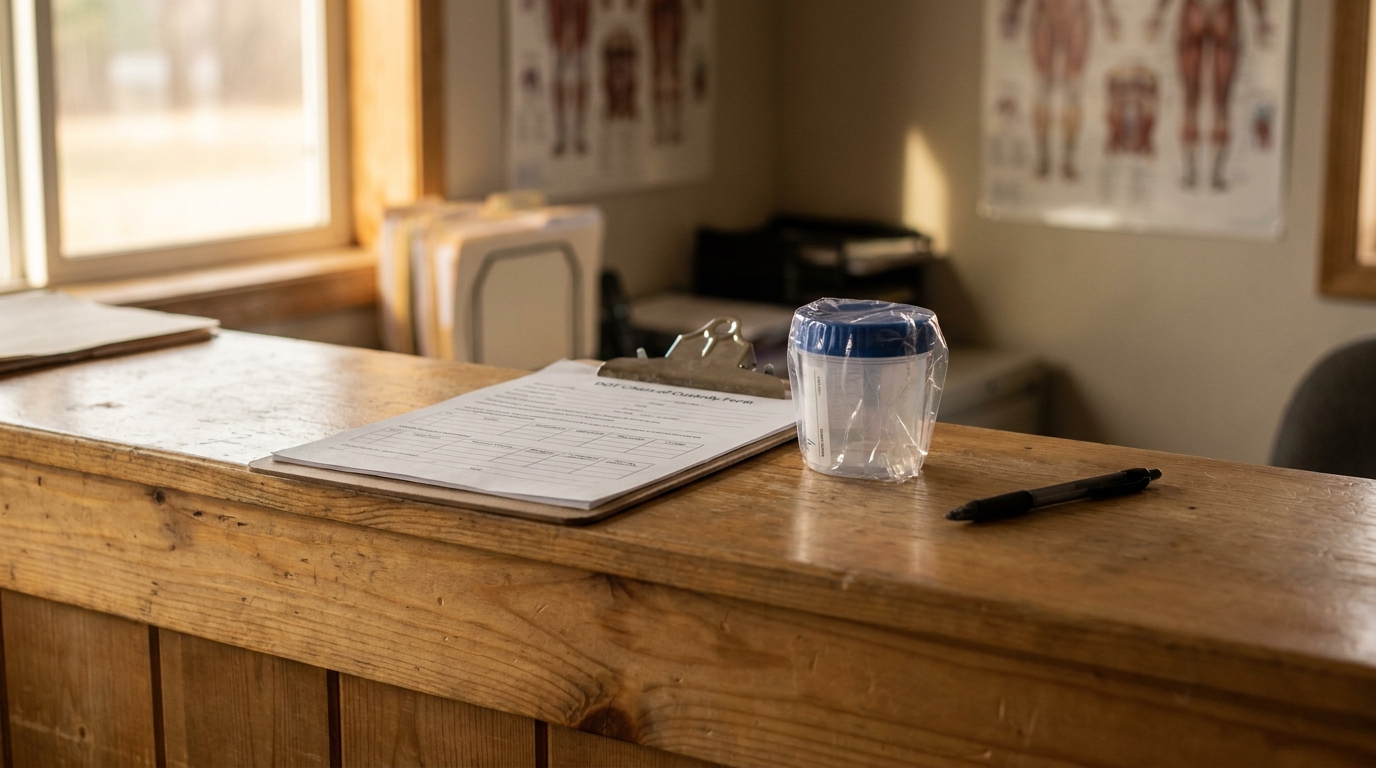
The federal shy bladder protocol exists because the inability to provide a urine specimen is a recognized physiological and psychological phenomenon. Under 49 CFR § 40.193(b)(1)(ii), when an employee cannot provide a sufficient urine specimen of at least 45 mL, the collector must urge the employee to drink up to 40 ounces of fluid over up to three hours, or until a sufficient specimen is provided, whichever occurs first. This mandatory waiting period is built into the DOT Part 40 shy bladder procedures.
Declining to drink fluids during the waiting period is not itself considered a refusal to test. The regulation at 49 CFR § 40.193(b)(1)(ii) explicitly states that an employee who declines to drink is not automatically deemed to have refused. However, if the employee fails to produce a sufficient specimen within the three-hour window and has no medical explanation, the consequences can still lead to a refusal determination.
💡 Pro Tip: If you experience difficulty providing a urine specimen during a DOT drug test, stay at the collection site for the full three-hour window. Leaving before the window closes can trigger a refusal finding under 49 CFR § 40.191(a)(2) before the medical evaluation process begins.
What Happens When the Three-Hour Window Closes Without a Sufficient Specimen
When a pilot cannot produce at least 45 mL of urine within three hours, the process continues with a mandatory medical evaluation. Under 49 CFR § 40.193(c), once the collector notifies the Designated Employer Representative (DER), the DER must, after consulting with the Medical Review Officer (MRO), direct the employee to obtain, within five business days, an evaluation from a licensed physician acceptable to the MRO who has expertise in the medical issues raised by the employee’s failure to provide a sufficient specimen.
If that medical evaluation finds no adequate medical explanation, the MRO reports the result as a refusal to test. This outcome is controlled by 49 CFR § 40.191(a)(5). For a pilot, that refusal triggers the same regulatory consequences as a positive drug test result.
Why Leaving the Collection Site Early Is Treated as a Refusal Under Federal Regulation
Walking out of the collection site before the process is complete is a refusal, full stop. Under 49 CFR § 40.191(a)(2), the regulation explicitly lists “fail to remain at the testing site until the testing process is complete” as a refusal to take a DOT drug test. There is no grace period, no informal warning requirement, and no obligation for the collector to remind the pilot that leaving will be treated as a refusal.
The refusal determination belongs to the employer, not the collector. Under § 40.355(i), the employer has sole responsibility to determine whether the employee’s departure constitutes a refusal to test. The collector documents the departure on the Custody and Control Form (CCF) and immediately notifies the DER. Under 49 CFR § 40.193(b)(1)(iii), if the employee leaves before the collection process is complete, the collector must discontinue the collection, note that fact in the remarks, and notify the DER immediately.
The Pre-Employment Exception and Its Narrow Scope
There is one limited exception to the departure-as-refusal rule. Under 49 CFR § 40.191(a)(2), an employee who leaves the collection site before the testing process commences for a pre-employment test is not deemed to have refused. This exception is narrow: it applies only to pre-employment tests, only when the process has not yet commenced, and does not extend to random, reasonable suspicion, post-accident, return-to-duty, or follow-up testing scenarios.
The FAA Consequences of a DOT Drug Test Refusal for Pilots
A refusal to test under DOT regulations can mean immediate loss of your FAA airman certificate. Under § 40.191(c), the consequences for a refusal to test specified under DOT agency regulations cannot be overturned by arbitration, a grievance process, a state court, or any other non-federal forum. An employer-initiated grievance or state proceeding cannot undo the regulatory consequences of a refusal determination.
The FAA treats a refusal to test under 49 CFR Part 40 with the same gravity as a positive test result under 14 CFR Part 120. For safety-sensitive aviation employees, this can mean emergency revocation of your airman certificate. To understand the full scope of what a FAA emergency revocation for refusal can look like, reviewing the specific enforcement mechanisms provides important context. Additionally, a refusal is entered into the Pilot Records Database (PRD), where future employers will see it during required background checks.
Medical Conditions That May Support a Shy Bladder Defense
Paruresis, sometimes called shy bladder syndrome, is a recognized anxiety-related condition classified in the DSM-5 as a social anxiety disorder. For pilots, this condition intersects with both DOT drug testing compliance and FAA medical certification. A pilot with paruresis may face layered challenges: the underlying condition may require disclosure on FAA Form 8500-8, and the inability to produce a specimen may create a drug testing compliance issue if not handled correctly.
Other medical conditions that can affect urine specimen production include urological disorders, prostate conditions, certain medications, dehydration, and stress-related physiological responses. Pilots managing conditions like diabetes or those on medications for ADHD, depression, or cardiac conditions may also experience interference with normal urinary function. The five-business-day window for obtaining a medical evaluation under 49 CFR § 40.193(c) is not long, and the evaluation must come from a physician acceptable to the MRO.
Protecting Your FAA Medical Certification After a Drug Test Issue
A drug test refusal can directly threaten your FAA medical certificate. FAA medical certification defense involves navigating both the DOT enforcement process and the aeromedical certification process. Pilots dealing with a refusal determination may also need to address how the underlying condition is treated on a future FAA Form 8500-8 application. Attempting to navigate these processes without qualified legal assistance carries significant risk.
Pilots across the United States facing a shy bladder refusal determination or related FAA medical certification consequences can work with the Ison Law Firm regardless of their location. The firm provides FAA medical certification defense representation for pilots navigating aeromedical concerns, certification challenges, and drug testing compliance issues.
Frequently Asked Questions
1. Does leaving a DOT drug test early always count as a refusal?
Under 49 CFR § 40.191(a)(2), leaving the collection site before the testing process is complete generally constitutes a refusal to test. The one limited exception applies only to pre-employment tests where the employee departs before the process has commenced. In all other testing categories, random, reasonable suspicion, post-accident, return-to-duty, and follow-up, leaving early can be treated as a refusal once the process has begun.
2. What happens if I genuinely cannot produce a urine specimen due to a medical condition?
If you cannot provide a sufficient urine specimen within the three-hour window under 49 CFR § 40.193, the process requires a medical evaluation, not an automatic refusal. The DER, after consulting with the MRO, will direct you to obtain, within five business days, an evaluation from a licensed physician acceptable to the MRO. If that evaluation identifies an adequate medical explanation, the result is reported as a cancelled test, not a refusal. However, if no adequate medical explanation is found, the MRO must report it as a refusal under 49 CFR § 40.191(a)(5).
3. Will a drug test refusal affect my FAA medical certificate?
A refusal to test under DOT regulations is treated by the FAA as equivalent to a positive drug test result under 14 CFR Part 120, and it can trigger emergency action against your airman certificate. The refusal is also entered into the Pilot Records Database, making it visible to future employers conducting required hiring background checks. Pilots facing this situation should seek qualified legal assistance without delay, as the timeline for responding to FAA enforcement action is short. For more information, review details about FAA emergency revocation for drug test refusal.
Understanding Your Options Before the Clock Runs Out
A shy bladder situation during a DOT drug test is not uncommon, but the regulatory framework is unforgiving for pilots who do not follow proper steps. The three-hour waiting period, fluid provision requirement, and five-business-day medical evaluation window exist to give employees a legitimate pathway when a specimen cannot be provided. Leaving the collection site before completing that process eliminates access to those protections.
No matter where you are in the United States, if you are facing a potential or confirmed DOT drug test refusal as a pilot, the time to act is now. The regulatory timelines are short, the consequences can be permanent, and the processes move quickly once a refusal determination is made. The Ison Law Firm is based in Florida and represents pilots nationwide. Call (855) 598-7338 or contact us online to discuss your situation with a firm that understands the FAA-specific nuances of drug testing compliance and airman certification defense.