


What the June 2026 AME Guide Update Actually Changed
Key Takeaways: The June 24, 2026 revision to the FAA Guide for Aviation Medical Examiners restructured Item 36 (Heart) and introduced a transplant disposition table that reshapes how heart transplant recipients pursue certification. Like the faa sleep apnea compliance form process, cardiac special issuance now requires meticulous documentation and examiner deferral. Heart transplant recipients must obtain a one-time special issuance before any BasicMed option becomes available. Applicants carry the burden of proving eligibility with detailed medical records. This article explains the update and outlines practical next steps. Ison Law Firm assists pilots with these matters regardless of where they live in the United States.
A consequential change landed in aviation medicine this summer. The FAA’s most recent AME Guide, dated June 24, 2026, reorganized the cardiovascular protocols examiners rely on, including a dedicated disposition table for transplant recipients. For any pilot who has received a new heart, this update clarifies, and in some respects tightens, the roadmap back to the flight deck. Understanding the June 2026 AME Guide update is now essential to protecting your career.
Ison Law Firm handles these aeromedical questions for airmen across the country. The firm is based in Florida yet represents pilots nationwide. Heart transplant pilot certification is governed by federal standards that apply identically whether you are in Miami, Denver, or Seattle.
What the June 2026 AME Guide Update Actually Changed
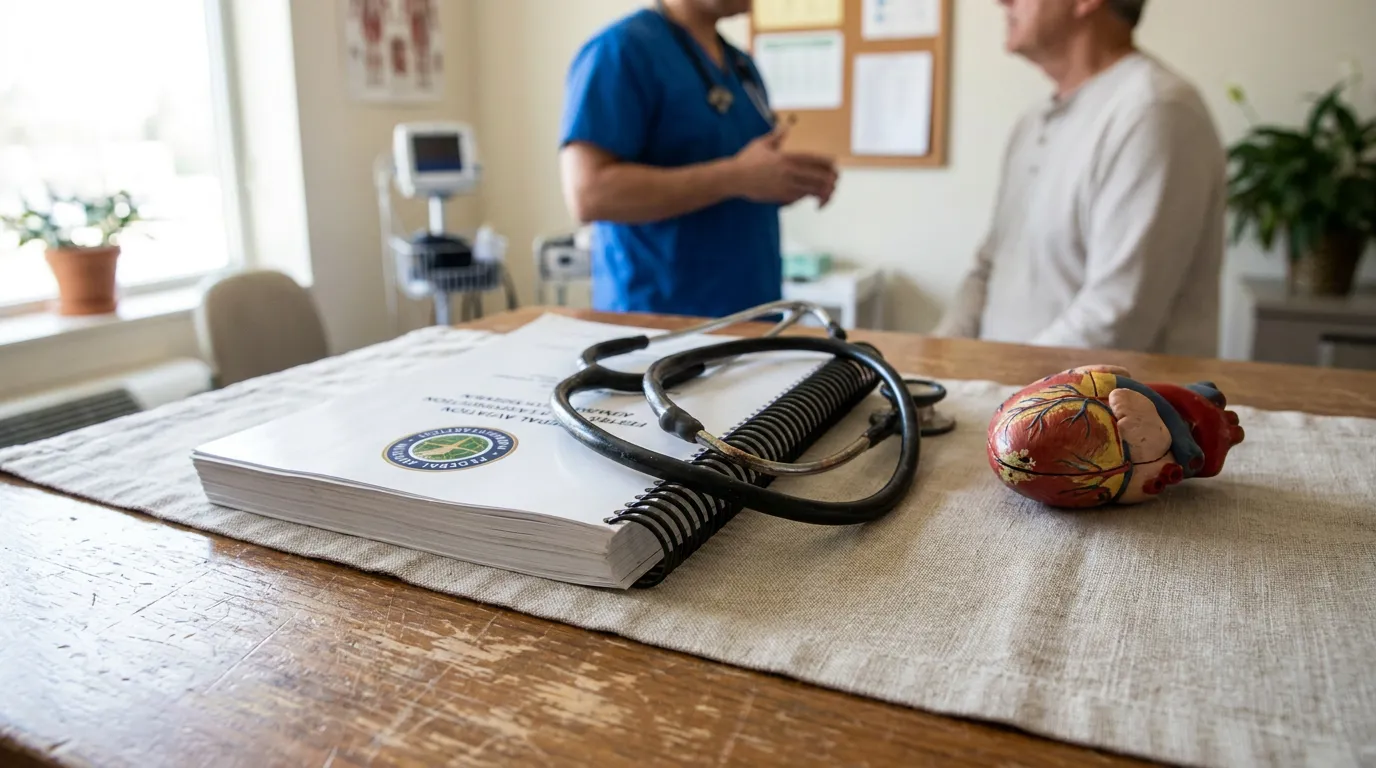
The core change centers on Item 36, the section addressing cardiac conditions. The FAA’s archives for the 06/24/2026 version list revisions under Item 36 (Heart) and a new Transplant Disposition Table. The heart transplant table includes separate guidance for first- and second-class applicants, air traffic control specialists and third-class medical applicants. This table gives aviation medical examiners a clearer framework for what they can and cannot do when a transplant recipient applies, and in most cases directs them to defer rather than issue.
Deferral routes the file to FAA review. Under longstanding policy, medical certificates must not be issued to an applicant with medical conditions that require deferral. A heart transplant triggers this pathway. The examiner documents the exam, then sends the application forward rather than granting a certificate at the desk.
Item 36 and the New Transplant Disposition Table
Item 36 functions as the FAA’s authoritative hub for cardiovascular dispositions. The dedicated FAA page for cardiac dispositions lists the most common conditions of aeromedical significance and course of action for the examiner. You can review the agency’s cardiac disposition protocols to see how the framework organizes examiner decisions. The 2026 transplant table sits within this structure and signals that the FAA is treating transplant recipients as a distinct, closely monitored category.
This structure reflects a conservative regulatory philosophy rooted in flight safety. Aeromedical literature frames cardiac fitness decisions for transportation workers around the principle that sudden incapacitation could have catastrophic consequences. That rationale explains why the FAA applies heightened scrutiny to serious cardiac histories.
A Transplant Recipient’s Path Back to the Cockpit
Consider a hypothetical private pilot who received a heart transplant eighteen months ago. She feels strong, her cardiologist is pleased, and she wants to fly again. Under the June 2026 framework, her examiner will record her history on FAA Form 8500-8, note the transplant, and defer the application to the FAA rather than issue on the spot. This is standard for airman medical certificate heart transplant cases.
Her real work happens in assembling the aeromedical record. The FAA generally expects a thorough post-transplant workup, including a current report from the treating transplant cardiologist regarding the cardiac transplant status, including all pre- and post-operative reports, a statement regarding functional capacity, modifiable cardiovascular risk factors, and prognosis for incapacitation, and current blood chemistries within 30 days. Complete documentation of all rejection history, whether treated or not, including hospital records and reports of any tests done, is also expected. Because lifelong medication adherence and frequent monitoring are required after transplant, the FAA scrutinizes whether an applicant is consistently compliant. Gaps in follow-up care often stall an otherwise promising file. In many cases, clinical notes, echocardiograms and cardiac monitoring must be completed no more than 90 days before the AME exam.
Building Your Aeromedical Record
Documentation is the single largest factor a transplant applicant controls. FAA policy states plainly that it is the responsibility of each applicant to provide the medical information required to determine his/her eligibility for airman medical certification. The applicant, not the FAA, carries the burden of proof. Strong aeromedical heart transplant documentation typically includes:
- Complete transplant surgical records and discharge summaries
- Current cardiology evaluations demonstrating stable graft function
- Full list of immunosuppressive and cardiac medications with dosages
- Rejection surveillance and biopsy results over time
- Treating physician’s statement addressing prognosis and stability
Missing even one category can turn a months-long process into a years-long one. The FAA generally cannot expedite these reviews on request, so front-loading a complete record is the most practical way to avoid repeated requests for more information. Most denials are because the pilot did not submit the required records. Treat the initial submission as your best chance to present a persuasive file.
Special Issuance and the Documentation Burden
Heart transplant recipients almost always proceed through Special Issuance. A Special Issuance is granted by the Federal Air Surgeon to an applicant who does not meet the established medical standards, and the FAA must find that the condition is adequately controlled to allow the airman to operate an aircraft safely. A transplanted heart falls outside routine standards, so the SI pathway is the realistic route for FAA cardiac protocol 2026 compliance.
Seasoned legal guidance can add real value. An attorney experienced in these filings can help organize records, anticipate FAA questions, and frame the medical narrative accurately. The firm’s overview of FAA medical certification representation explains how counsel supports airmen through deferral and special issuance. Ison Law Firm does not offer free consultations, and no lawyer can shorten the FAA’s internal timelines, but organized advocacy can reduce avoidable delays.
Lessons From the March 2026 Cardiac Update
This is not the first time in 2026 the FAA has adjusted its cardiac approach. Earlier revisions set the tone for the summer changes, and our analysis of the March 2026 cardiac certification changes traces how the agency has steadily refined examiner guidance. Reading the two updates together helps pilots see a consistent trend toward more structured, documentation-heavy cardiac review.
The parallel to the faa sleep apnea compliance form is instructive. Sleep apnea certification moved toward a standardized compliance-reporting model, where pilots submit treatment adherence data on a defined form. The 2026 transplant table nudges cardiac certification in a similar direction, emphasizing ongoing evidence of stability and adherence.
Where BasicMed Fits for Cardiac Pilots
BasicMed generally does not offer a shortcut for transplant recipients. BasicMed is a program the FAA developed in response to the FAA Extension, Safety, and Security Act of 2016 that includes relief from holding an FAA medical certificate for certain pilots. The Aerospace Medical Association’s BasicMed guidance for pilots explains its scope and its reliance on the AME Guide.
The catch is the cardiac carve-out. If you have had or were diagnosed with certain conditions and have not previously had an FAA special issuance authorization for that condition, you may not fly under BasicMed until you have been granted a one-time authorization for special issuance. A heart transplant is precisely such a condition, so the pilot must clear the FAA’s special issuance process before BasicMed becomes an option. Transplant recipients cannot bypass the documentation burden simply by choosing BasicMed. That said, the special issuance required here is a one-time authorization: once you have a Special Issuance for one of these conditions, you can move to BasicMed for subsequent flights.
Context helps explain the FAA’s caution. Heart transplantation has grown from experimental to established treatment, with clinical resources such as WebMD’s overview of heart transplant treatment noting steady increases in U.S. procedures. As the transplant population grows, more pilots will confront pilot cardiac eligibility questions, and the FAA’s structured approach is designed to manage that reality consistently.
How Does This Impact Me?
Does the June 2026 Update Automatically Disqualify Transplant Pilots?
No, the update does not impose an automatic ban. It reorganizes examiner guidance and typically routes transplant files to FAA special issuance review. Whether a certificate ultimately issues depends on your medical record and demonstrated stability.
What Form Documents My Condition to the FAA?
Your history is captured on FAA Form 8500-8, the airman medical application. Cardiac history disclosed there, including a transplant, generally prompts examiner deferral. Accurate and complete disclosure is critical.
Can Ison Law Firm Speed Up My FAA Review?
No attorney can expedite the FAA’s internal processing. What organized legal support can do is help you submit a complete, well-structured file the first time, which often prevents avoidable rounds of additional information requests.
Do I Need to Live in Florida to Work With the Firm?
No. Ison Law Firm represents pilots nationwide from its Florida base. Because FAA medical standards are federal, a qualified FAA medical attorney can assist you no matter which state you call home.
The Bottom Line for Transplant Pilots in 2026
The June 2026 AME Guide update signals a more structured, documentation-driven era for heart transplant pilot certification. Recipients should expect deferral, plan for special issuance, and build a thorough record early. Outcomes always depend on the individual facts of a pilot’s medical history, so treat this article as general information rather than individualized legal advice. Just as the faa sleep apnea compliance form standardized adherence reporting, the new transplant table rewards pilots who document consistently and completely.
If your certification may be affected by these changes, informed guidance can help you move forward. Ison Law Firm assists pilots across the United States with deferred applications, special issuance, and complex cardiac files. You can call [(855) 598-7338]((855) 598-7338) or contact us today to discuss how the June 2026 update may apply to your situation. Please note the firm does not offer free consultations and cannot expedite the FAA’s process, but it can help you present your strongest case.