

Understanding Your Options After an Aviation Medical Disqualification
Key Takeaways: The FAA strictly regulates antidepressant use, and mirtazapine is not on the FAA’s list of conditionally acceptable antidepressants for a Special Issuance medical certificate under the standard SSRI protocol. If you face a medical denial due to mirtazapine, you must either safely discontinue the medication under medical supervision and wait the required clearance period, or switch to an FAA-approved alternative. Pilots managing mental health conditions must navigate a rigorous certification process requiring detailed clinical documentation and demonstrated stability. A denial is not the end of your career, you can request reconsideration from the FAA, appeal to the National Transportation Safety Board (NTSB), or ultimately appeal in federal court. Consulting an experienced aviation attorney is crucial to successfully navigating this appeals process and protecting your flight privileges.
Facing a disqualification due to prescription medication can be career-altering for any aviator. When a pilot receives a denial or deferral letter, the path forward often seems unclear. Mental health conditions and their medications are heavily scrutinized by the Federal Aviation Administration. Understanding the specific regulations surrounding unapproved medication is the first step toward protecting your flight privileges.
Reach out to the Ison Law Firm today for dedicated support. Give us a call at (855) 598-7338 or contact us online to take the first step. The Ison Law Firm is based in Florida and represents pilots nationwide.
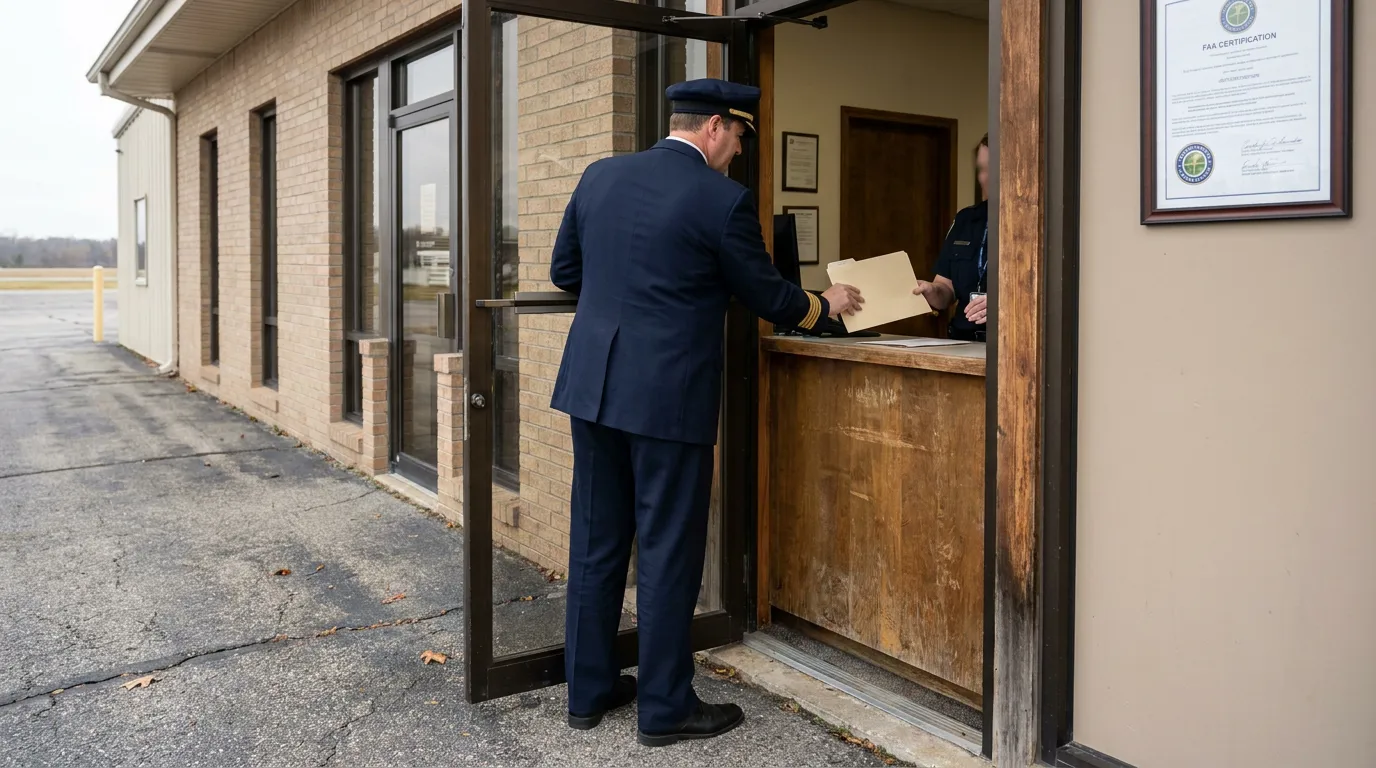
Navigating an FAA Medical Denied Mirtazapine Decision
The Federal Aviation Administration treats most antidepressant use as generally disqualifying for flight duties. However, the agency permits case-by-case consideration for a limited list of conditionally acceptable medications. Crucially for mirtazapine users, only medications on the FAA’s conditionally acceptable Antidepressant Medications list qualify for a Special Issuance. Because mirtazapine is a Noradrenergic and Specific Serotonergic Antidepressant (NaSSA), it does not appear on the FAA’s conditionally acceptable antidepressant list; however, the FAA’s categorical exclusion of mirtazapine from Special Issuance consideration was ruled arbitrary and capricious by the U.S. Court of Appeals for the D.C. Circuit on June 27, 2025 (Solondz v. FAA), and the case was remanded to the FAA for further explanation, meaning the legal status of mirtazapine under the FAA protocol is currently unsettled.
If an applicant is on a non-listed medication, the Examiner must advise that the medication is not acceptable for flight duties. This explains why an FAA medical denied mirtazapine situation occurs, forcing the pilot to either switch to an approved medication or discontinue use entirely under medical supervision. An Examiner cannot issue a certificate for any pilot taking an unapproved medication.
Pilots are grounded immediately upon starting or changing an antidepressant dose. This immediate grounding illustrates why medication use commonly triggers an FAA medical denial or AME deferral. If you find yourself in an FAA medical denied mirtazapine scenario, consult a lawyer experienced with the FAA appeal process.
\u{1F4A1} Pro Tip: Never stop taking a prescribed medication without first consulting your treating physician. Discontinuing medication abruptly can cause severe withdrawal symptoms and further complicate your medical history.
The Two-Stage Process for Mental Health Special Issuance
Pilots seeking to fly while managing depression or anxiety must navigate a strict two-stage certification process. The agency requires substantial documentation and observation before granting flight privileges to individuals on medication.
Initial Deferral to the AMCD
During your first application while taking an approved antidepressant, the Aviation Medical Examiner cannot issue a certificate in the office. The initial Special Issuance decision is always made by an FAA physician. The AME must defer the first application to the Aerospace Medical Certification Division (AMCD) or the Regional Flight Surgeon.
Continuing on an approved antidepressant requires evaluation through the specialized HIMS AME pathway. An applicant must be evaluated by a HIMS AME and, if their treating physician is not a board-certified psychiatrist, must also provide a report from a board-certified psychiatrist, both evaluations are required.
Renewals Under the AASI PATH Program
Once the FAA grants an initial Special Issuance, subsequent renewals may be handled differently. Renewals can often be processed by the AME under the Aviation Medical Examiner Assisted Special Issuance (AASI) program, provided all requirements are met. This allows pilots to maintain certification without waiting for lengthy review from Oklahoma City every year.
However, this pathway requires demonstrated clinical and dosage stability over a minimum continuous period. Individuals on an acceptable antidepressant must typically demonstrate stability for three months on a single, stable dose before completing required testing for the FAA antidepressant protocol.
Required Documentation for Pilots on Approved Antidepressants
Maintaining compliance with the FAA requires meticulous record-keeping and specific medical evaluations. The agency demands highly detailed clinical notes. Failing to provide the exact documentation required will almost certainly result in a delay or denial.
Detailed Clinical Progress Notes and PATH Summaries
Pilots must provide comprehensive clinical records to demonstrate clinical and dosage stability. The agency will not accept generalized letters stating a pilot is "doing well." The documentation requirements typically include:
- Detailed Clinical Progress Notes from the primary doctor or treating psychiatrist.
- Progress notes from the treating physician or psychiatric nurse practitioner at specified intervals (often every six months).
- The most recent progress note must be dated within 90 days of the AME exam.
- A completed SSRI Status Summary signed by the treating physician and reviewed by the AME.
These notes must explicitly include medications, dosages, medication changes, exam findings, test results, diagnosis, prognosis, and a follow-up plan. If any elements are missing, the AME will likely defer the application back to the agency.
Real-World Triggers for an AME Deferral
Even after securing a Special Issuance, certain changes in your health can trigger an immediate deferral during a renewal exam. These triggers send a renewal back to the FAA instead of getting issued in the AME’s office. When a deferral occurs, the pilot is grounded until the agency completes its review.
Understanding what causes a deferral can help pilots prepare before their AME exam. The table below outlines common triggers that prevent an AME from issuing a certificate on the spot.
| Deferral Trigger | FAA Requirement / Consequence |
|---|---|
| New "Yes" answers on the SSRI/PATH Status Summary | AME must defer the application to the AMCD for review. |
| Any new psychiatric symptoms or diagnoses | Requires a new evaluation and deferral to the FAA. |
| New substance use history or DUI | Immediate deferral and potential requirement for substance abuse evaluation. |
| Symptom progression despite medication changes | AME cannot issue; pilot must demonstrate stability on a new regimen. |
| AME or treating physician expressing concern | Discretionary deferral based on aeromedical safety concerns. |
A pilot facing a deferral, new diagnosis, or concern flag from their AME needs legal guidance. Pilots should seek representation early to ensure their documentation is pristine before submission. Working with an aviation attorney can help you navigate these complex deferral triggers.
\u{1F4A1} Pro Tip: Always review your required Status Summary with your treating physician before your AME appointment. Ensuring there are no unexpected "Yes" answers can prevent an automatic deferral.
Legal Avenues After an FAA Medical Denial
Pilots who receive a final denial from the agency still have legal avenues to challenge the decision. An AME’s deferral or initial denial is not a final FAA decision, meaning a pilot denied over mirtazapine use still has recourse. The first step is often seeking reconsideration within the agency.
A denied applicant can request reconsideration by submitting a written request to the Aerospace Medical Certification Division. The AMCD conducts the initial review, and certain cases may be escalated to the Federal Air Surgeon. If the agency upholds the denial, the pilot must typically appeal to the National Transportation Safety Board (NTSB) before looking outside the administrative process.
Federal courts can review FAA medical certificate denials after exhausting administrative remedies. For example, a pilot can file a petition for review in a United States Court of Appeals following a final NTSB order. Courts require the agency to articulate reasons, and an absent administrative record can lead to a remand.
In cases of extreme and unreasonable delay, a court may find a constructive denial even when the FAA claims an application is under review. This is relevant to applicants unsure whether their prolonged wait time constitutes an appealable denial. While litigation is lengthy, it serves as a vital check on the agency’s authority.
Frequently Asked Questions
1. Can an AME approve my initial medical certificate if I take an approved antidepressant?
No, an AME does not have authority to approve an initial application involving antidepressant use. The initial Special Issuance decision is always made by the FAA after the AME defers the application. Once approved, subsequent renewals may be handled by the AME under the AASI program if all requirements are met.
2. What happens if I stop taking mirtazapine to reapply?
If a pilot stops the medication and reapplies for regular issuance, the FAA requires a documented off-medication waiting period of minimum 60 days. Additionally, they must provide a favorable report from the treating physician indicating stable mood and no aeromedically significant side effects.
3. How long is the waiting period after starting an approved medication?
Pilots are grounded immediately upon starting or changing an antidepressant dose. Individuals on an acceptable antidepressant must typically wait a minimum of three months on a single, stable dose before completing required testing for the FAA antidepressant protocol. This observation window ensures the medication is effective and not causing harmful side effects.
4. Can I appeal a final denial from the FAA?
Yes, federal courts can review FAA medical certificate denials after you have exhausted administrative remedies, including appeals to the National Transportation Safety Board (NTSB). Once you have exhausted these remedies, you can challenge the decision through a petition for review in a United States Court of Appeals. Courts require the agency to articulate clear reasons based on a complete administrative record.
5. Will the FAA ever offer an amnesty period for unreported medications?
While the aviation community occasionally discusses the hypothetical benefits of an amnesty period, the FAA has not implemented one for unapproved antidepressants like mirtazapine. Under current regulations, failing to disclose medication use on a medical application is a violation of federal law and carries severe legal and professional risks, including emergency revocation of all certificates.
Protecting Your Aviation Career After a Denial
Receiving a denial letter from the FAA can feel overwhelming, but it is rarely the end of the road. Whether you are dealing with an FAA medical denied mirtazapine situation, amending a prior application, or preparing for an upcoming AME exam, understanding the strict documentation requirements is essential. By maintaining detailed clinical progress notes and understanding the real-world triggers for deferral, pilots can better position themselves for a successful Special Issuance.
Reach out to the Ison Law Firm today for dedicated support. Give us a call at (855) 598-7338 or contact us online to take the first step.